

Millennial women, like those of Gen Z, are redefining what their reproductive timeline looks like. Between student loans, career goals, housing costs, and the search for the right partner, many people in their 20s and 30s are choosing not to start a family yet — while still wanting that option for the future.
Egg freezing has become an increasingly popular way to preserve that option. At The Fertility Center of Las Vegas, we support patients who want more flexibility over their reproductive timeline. Freezing your eggs at your current age means preserving them at their current quality — for use whenever the time is right for you.
Why is age so important in egg freezing?
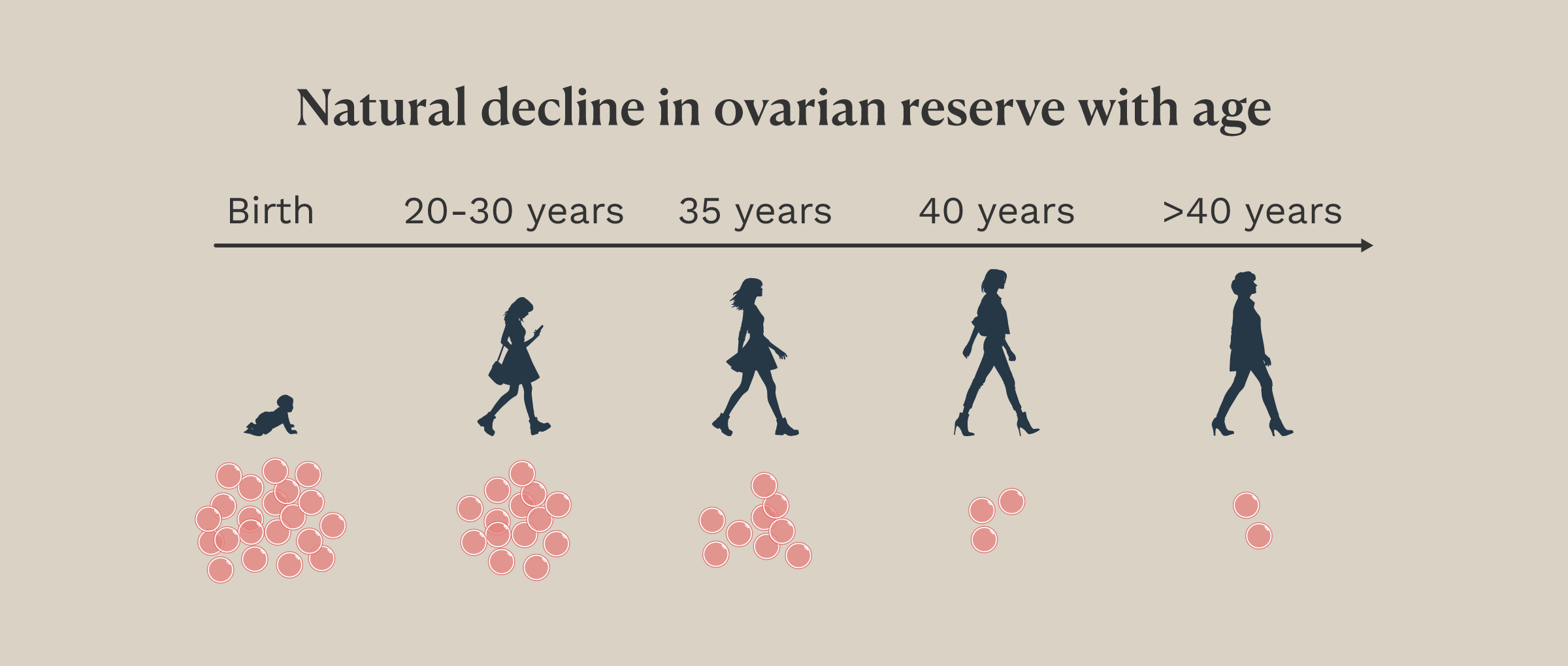
Egg quantity and quality naturally decline over time — a process that accelerates in the mid-30s. Age plays a significant role in fertility, which is why the timing of egg freezing matters.
Freezing your eggs in your late 20s or early 30s preserves them at a higher quality than waiting until your late 30s or 40s. When you’re ready to use them in the future through in vitro fertilization (IVF), the eggs you use reflect the quality they had at the time of freezing.
Why millennial women are freezing their eggs
For years, the assumption was that women froze their eggs primarily for career reasons. That’s changed. Today, people choose fertility preservation for a wide range of reasons:
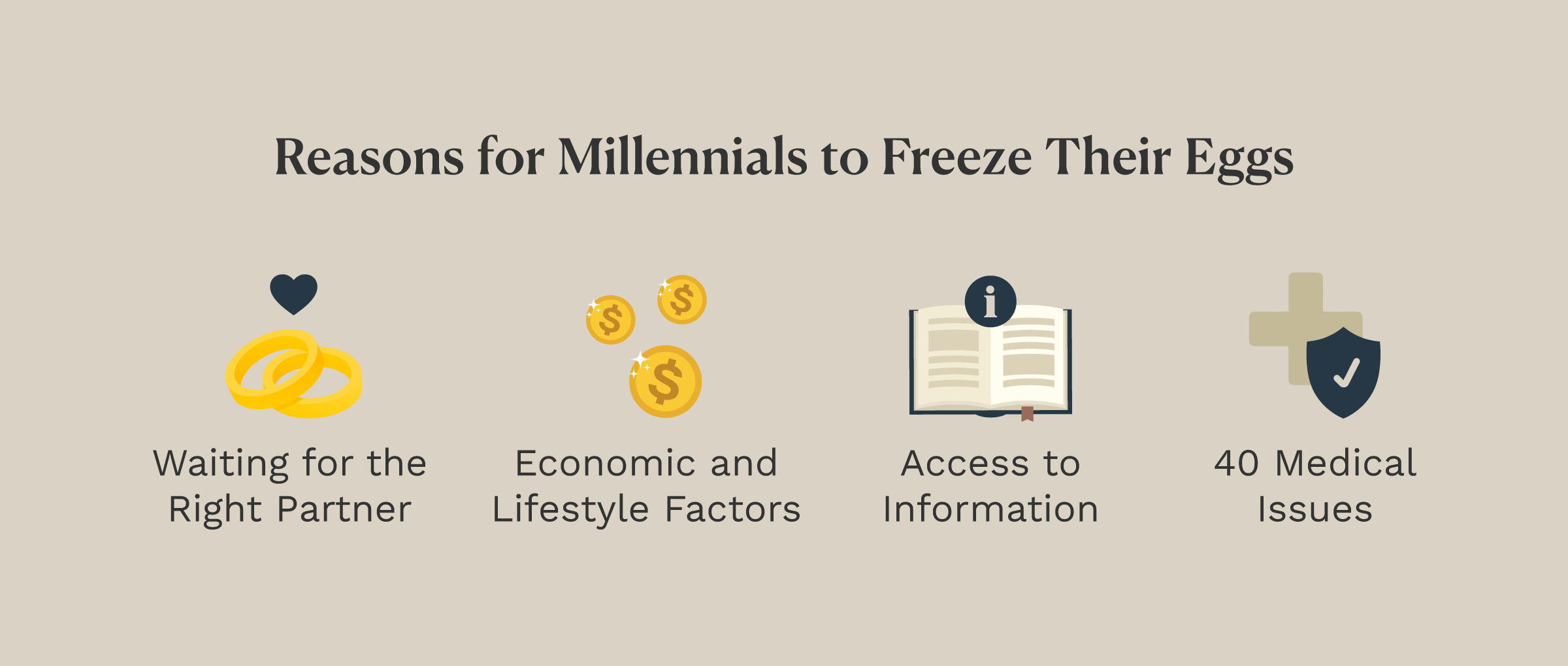
- Waiting for the right partner: some women decide to delay motherhood because aren’t yet in a relationship where they want to start a family. Preserving eggs removes the time pressure from that search.
- Financial and lifestyle factors: reaching financial stability takes time, and the cost of raising a child is a real consideration. Egg freezing creates flexibility to build a family when circumstances are right.
- Access to information: awareness of how age naturally decreases egg quantity and quality has grown significantly. More people are making proactive decisions based on this knowledge.
- Medical reasons and family history: a family history of early menopause, or conditions like PCOS or endometriosis, can prompt people to preserve their fertility earlier. It’s also an important option for LGBTQ+ individuals planning to build a family in the future.
How does the egg freezing process work?
The process starts with an evaluation at our Las Vegas clinic to assess where your fertility stands today. A blood test measures your anti-Müllerian hormone (AMH) — the most reliable indicator of ovarian reserve. We also perform a transvaginal ultrasound to evaluate your ovaries directly.
If you decide to move forward with female fertility preservation, you’ll take hormone medications for approximately two weeks to stimulate your ovaries to mature multiple eggs. Once the follicles reach the right size, the eggs are retrieved in a brief outpatient procedure and flash-frozen in our laboratory using vitrification — an ultra-rapid freezing technique that prevents ice crystal formation.
Questions about egg freezing? We’re here
If you’re considering fertility preservation and want to understand your options, our team at The Fertility Center of Las Vegas is ready to help. Schedule a consultation and let’s look at where your fertility stands today.