
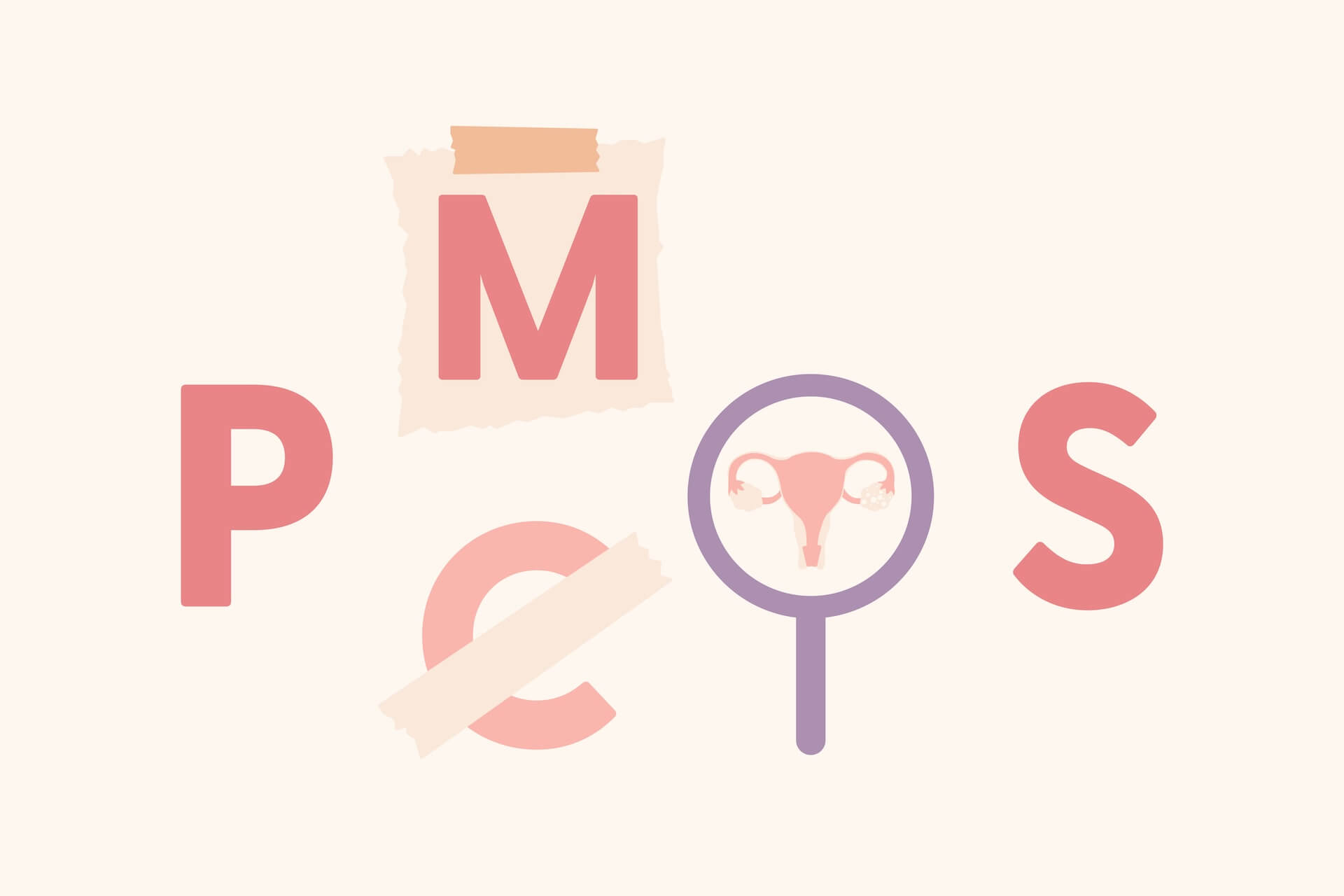
If you’ve been diagnosed with polycystic ovary syndrome — or if you’ve spent years searching for answers about irregular cycles, weight changes that won’t budge, excess hair growth, or trouble getting pregnant — you may have recently seen some big medical news. PCOS is now officially called PMOS: polyendocrine metabolic ovarian syndrome. One letter different in the acronym. But the story behind it — and what it means for how this condition gets diagnosed and treated — is genuinely significant.
Why Did the Name Change from PCOS to PMOS?
The old name was never quite right, and that had real consequences for patients. “Polycystic ovary syndrome” implies the condition is fundamentally about cysts on the ovaries. But those aren’t truly cysts — they’re small, immature follicles. And not everyone with the condition even has those visible on imaging.
Meanwhile, the name said nothing about the hormonal complexity, the insulin resistance, or the downstream health risks — things that affect your fertility and your long-term wellbeing. For too many patients, that gap meant dismissed symptoms, missed diagnoses, and years of bouncing between providers without a real answer.
On May 12, 2026, a landmark consensus study published in The Lancet made it official. The new name followed a 14-year global effort involving nearly 22,000 patients, physicians, and advocates across six continents, and was endorsed by more than 50 organizations including the Endocrine Society and the American Society for Reproductive Medicine (ASRM).
The new name finally matches what clinicians and researchers have understood for years.
If You Already Have a PCOS Diagnosis — Nothing Has Changed for You
Your diagnosis is still valid. Your treatment plan still stands. If you were diagnosed with PCOS, you simply have PMOS now. As ASRM confirmed, fertility care for PMOS follows the same clinical approach that has always guided PCOS management. You’ll see both terms on documents and in medical records as the transition unfolds — that’s completely normal.
What has shifted is the framing — and that framing shapes how your care is approached from here.
Why This Matters for Your Fertility
PMOS has always been about more than your cycle. Insulin resistance — now formally recognized as a core driver of the condition — can suppress ovulation, disrupt egg development, and complicate both natural conception and fertility treatment. Addressing it often directly improves your chances of getting pregnant.
The PMOS framework encourages providers to look at the whole hormonal and metabolic picture, not just your cycle length or follicle count. That means earlier and more complete screening, treatment plans tailored to your specific biology, and less of the one-size-fits-all approach that has frustrated so many patients.
You can read more about our approach to PMOS as a cause of infertility and the full range of treatment options for conceiving with PMOS on our website. If you’re not sure where you stand, a fertility evaluation is the best place to start.
What’s Shifting in How PMOS Will Be Managed
The name change is expected to gradually reshape how the condition is diagnosed and treated — across 195 countries, with updates to clinical guidelines and disease classification systems. In practical terms:
- More thorough screening — metabolic markers like fasting insulin and lipid levels, not just reproductive symptoms
- Earlier diagnosis — catching and treating PMOS before it causes years of uncertainty
- Less stigma — redirecting the conversation from weight and lifestyle toward biology, where it belongs
Ready to Talk? We’re Here.
The Fertility Center of Las Vegas has been caring for patients with PMOS — long before it had that name — since 1988. Our physicians take a whole-person approach to every patient: hormonal, metabolic, and reproductive.
Whether you’re just starting to ask questions or ready to explore IUI, ITI or IVF, we’d love to help. Schedule a consultation or call us at (702) 254-1777.
Frequently Asked Questions
Does having PMOS mean I can’t get pregnant?
Not at all. PMOS is one of the most common — and most treatable — causes of irregular ovulation. Most people with PMOS can conceive, many with less intervention than they expect.
Will insurance recognize the new name of PMOS instead of PCOS?
Yes. The transition includes updates to international disease classification systems, so coverage should not be affected by the name change.
Should I request new medical tests for the diagnosis of PMOS?
It’s a good time to ask your doctor about a full metabolic panel — fasting insulin, glucose, and a lipid panel — if you haven’t had one recently. The PMOS framework encourages this kind of complete picture, even if you’ve been managing the condition for years.